Have You Forgotten How to Slow Down? Relearn How to Rest & Relax
There’s a strange moment that happens after years of being busy, productive, and constantly “on”:
You finally have time to rest… and you don’t know how.
You sit down, but your mind keeps racing.
You try to relax, but it feels uncomfortable — even unproductive.
You tell yourself you should slow down, yet something inside resists it.
If this sounds familiar, you’re not broken. You’re just out of practice.
Rest is a skill — and like any skill, it can be relearned gently, without pressure or perfection. Slow living isn’t about stopping your life. It’s about finding small, safe ways to soften it again.
What We’ll COVER:
- Why slowing down can feel hard (even when you want to)
- Simple ways to reintroduce rest without guilt
- How to practice slow living in realistic, everyday moments
- Gentle habits that help calm your mind and body
- How to find peace without forcing yourself to “relax”
Why Slowing Down Feels So Uncomfortable at First
When you’ve spent years moving quickly, your nervous system adapts to that pace. Stillness can feel unfamiliar — even unsafe — at first. That doesn’t mean rest isn’t for you. It just means your body hasn’t been shown that rest can be supportive instead of threatening.
Slow living begins by making rest feel approachable again.
1. Start With Short, Intentional Pauses (Not Full Rest)
If rest feels overwhelming, start smaller than you think.
Try:
- Sitting quietly for two minutes
- Taking three slow breaths before opening your laptop
- Pausing between tasks instead of rushing to the next one
Why this helps:
Your body learns through repetition, not force. Small pauses teach your system that slowing down doesn’t mean losing control.
Pro tip:
Set a timer if it helps — boundaries can make rest feel safer.
2. Redefine What “Rest” Actually Looks Like
Rest doesn’t always mean lying down or doing nothing.
For many people, rest looks like:
- Gentle movement
- Tidying one small area
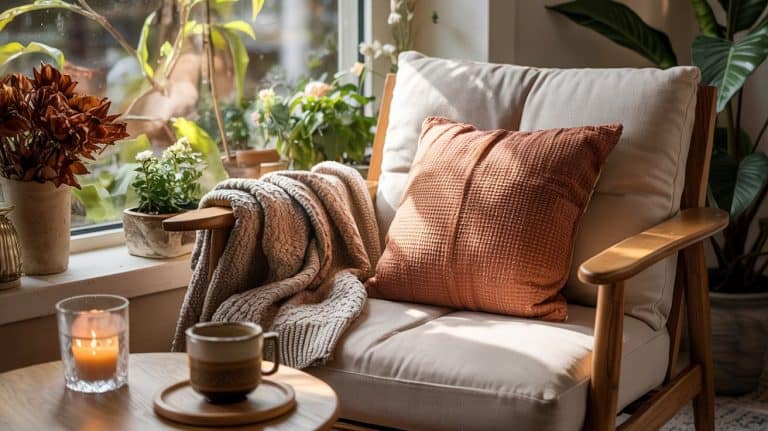
- Sitting near a window
- Making tea without multitasking
Why this helps:
When rest feels productive-adjacent, your brain resists it less.
3. Create One “No-Pressure” Moment Each Day
Choose one daily activity and remove expectations from it.
Examples:
- Drinking your coffee without scrolling
- Showering without rushing
- Sitting outside for five minutes
Why this helps:
Slow living grows in moments where nothing is required of you.
4. Let Your Environment Do Some of the Work
You don’t have to calm yourself entirely from the inside. Your surroundings can help.
Simple shifts:
- Softer lighting in the evening
- Natural textures like linen, wood, or ceramics
- A candle or gentle scent
Why this helps:
Your body responds to sensory cues faster than logic.
5. Practice Being “Good Enough” at the End of the Day
If you struggle to relax at night, it’s often because your mind is still chasing completion. Try this:
- Name one thing you did well today
- Name one thing that can wait until tomorrow
Why this helps:
Closure is calming. You don’t need a perfect day — just a finished one.
6. Allow Yourself to Ease Into Stillness Slowly
Stillness doesn’t have to be immediate or silent.
You might:
- Listen to soft background sounds
- Sit with a book without reading
- Stretch gently while resting
Why this helps:
Slow living is about transition, not abrupt stops.
A Gentle Truth About Rest
You don’t need to earn rest.
You don’t need to justify slowing down.
And you don’t need to master slow living all at once.
Rest becomes natural again when you stop forcing it and start allowing it.
Frequently Asked Questions
Why do I feel anxious when I try to relax?
Anxiety during rest is common when your body is used to constant stimulation. Starting with short, gentle pauses helps retrain your system.
Is slow living realistic if I have a busy schedule?
Yes. Slow living works best in small moments — not by removing responsibilities, but by changing how you move through them.
How long does it take to feel comfortable slowing down?
Everyone is different, but many people notice subtle relief within days when they begin gently and consistently.
Does slow living mean doing less?
Not necessarily. It means doing things with more intention and less urgency.
What if rest feels boring or uncomfortable?
That’s normal at first. Discomfort often fades as your body learns that rest is safe.
Conclusion: You Haven’t Forgotten — You’re Relearning
If slowing down feels hard, it’s not because you’ve lost the ability to rest. It’s because you’ve spent a long time being strong, capable, and productive.
Slow living isn’t about undoing that — it’s about balancing it.
With a few gentle shifts, rest can become something you return to naturally, without guilt or pressure. One pause at a time. One softer moment at a time. Exactly where you are.