How to Make a Small Space Feel Calm (Even When It’s a Little Chaotic)
If you live in a small space, you already know this truth:
It doesn’t take much for things to feel overwhelming.
One extra bag by the door. A pile on the counter. Laundry that has nowhere to land. And suddenly your entire home feels louder than it should — even if nothing is technically “wrong.”
The goal here isn’t perfection.
It’s not minimalism for the sake of minimalism.
It’s about creating pockets of calm inside the reality of a small, very lived-in space.
Because when your home is small, calm doesn’t come from having less life — it comes from being more intentional with what you already have.
What You’ll Learn
- Why small spaces feel overwhelming so quickly
- Simple ways to calm a room without adding storage or buying furniture
- How to reduce visual noise when you can’t reduce stuff
- Tiny shifts that make your home feel lighter almost immediately
- How to work with your space instead of fighting it
Why Small Spaces Feel Overwhelming So Fast
In a small home, everything is closer together — physically and mentally.
There’s less room for piles, fewer surfaces to hide clutter, and almost no buffer between “used today” and “in my face all week.” When something is out, it’s really out.
That doesn’t mean you’re messy or doing something wrong.
It means your space needs gentler systems — not stricter rules.
Calm in a small space comes from reducing friction, not adding pressure.
Start With One Calm Anchor (Not the Whole Room)
One of the biggest mistakes people make is trying to fix everything at once.
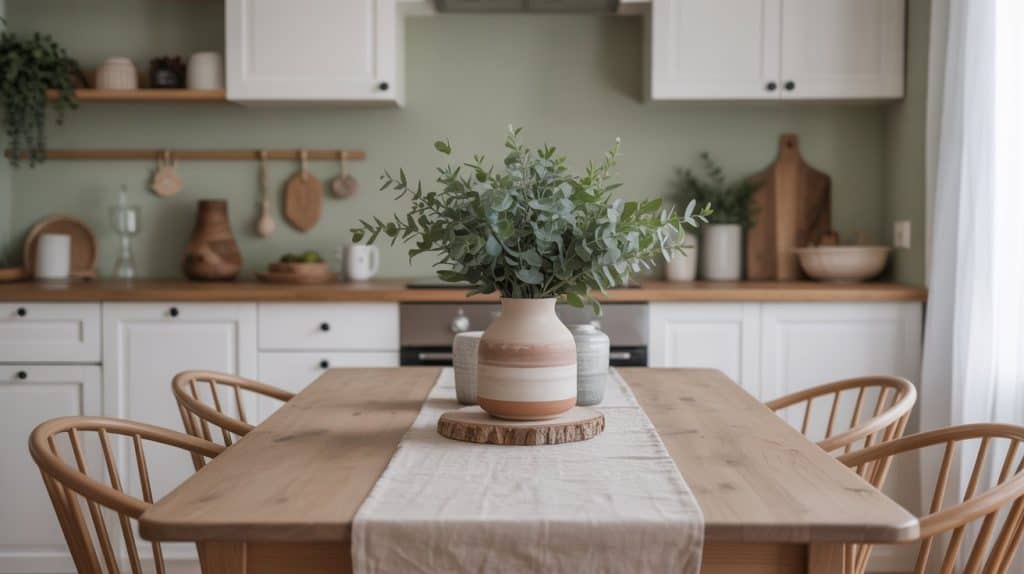
Instead, choose one anchor spot:
- a nightstand
- a corner of the couch
- the kitchen counter by the sink
- the surface you look at first when you wake up
Clear just that one area and make it intentionally calm.
Even if the rest of the space is still busy, your nervous system notices that one peaceful place — and it matters more than you think.
Reduce Visual Noise Before You Reduce Stuff
When space is limited, visual clutter is often more draining than actual clutter.
A few easy ways to soften what you see:
- Group items instead of spreading them out
- Use trays or baskets to create visual “boundaries”
- Choose fewer colors in one area (even if the room itself isn’t neutral)
- Turn labels, packaging, or busy patterns inward or out of sight
You don’t need to own less right away.
You just need your eyes to rest somewhere.
Give Every Item a Gentle “Landing Spot”
In small spaces, chaos often comes from items that don’t have a clear place to go.
Keys float. Bags stack. Jackets migrate.
Instead of forcing strict organization, ask:
“Where does this naturally want to land?”
Then create a simple solution there — a hook, a bowl, a basket, a drawer.
Calm comes from ease, not discipline.
Let One Area Be Intentionally Empty
This feels counterintuitive when space is tight — but it’s powerful.
Choose one surface to stay mostly clear:
- the dining table
- the coffee table
- part of the kitchen counter
That open space gives your mind breathing room, even if the rest of the home is full.
In small homes, emptiness is not wasted space — it’s emotional relief.
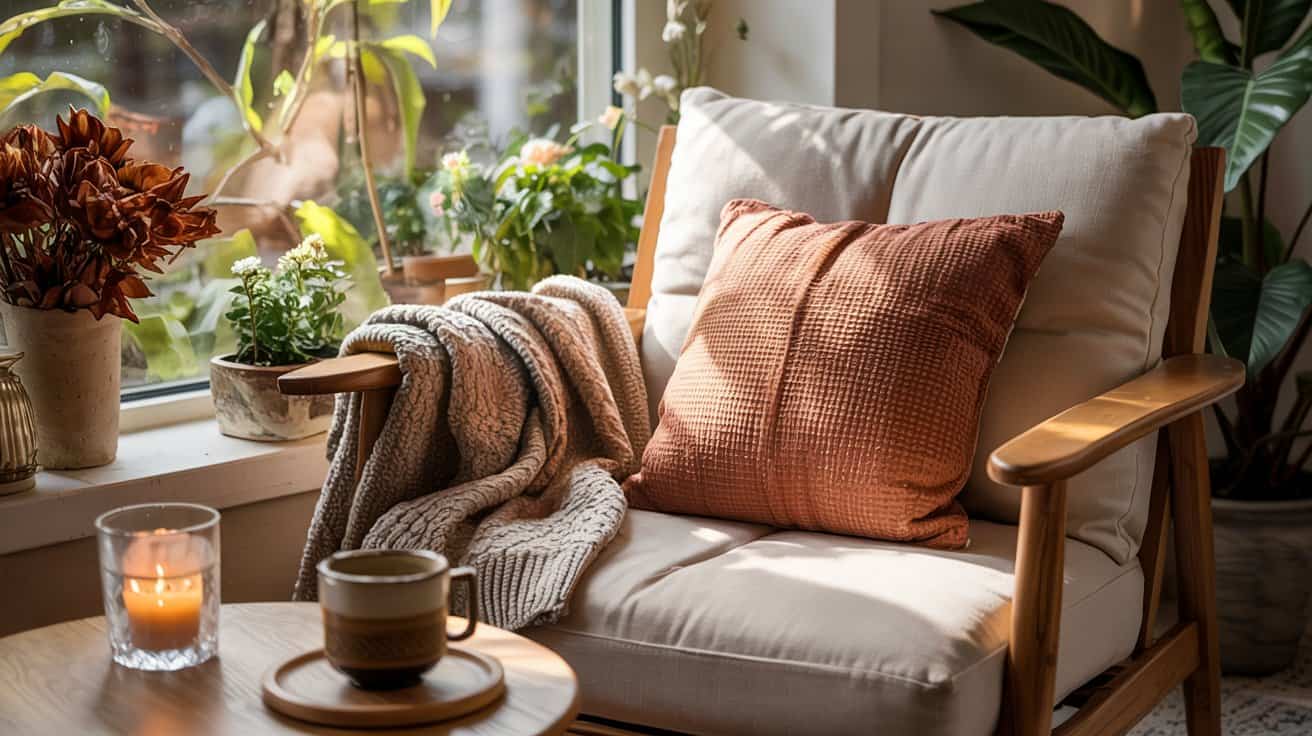
Use Softness to Offset Tight Quarters
Small spaces can feel rigid when everything is hard, sharp, or angular.
Soften the room wherever you can:
- linen or cotton textiles
- rounded objects instead of sharp lines
- warm lighting instead of bright overheads
- natural textures like wood, wool, or ceramic
Softness signals safety. And safety is calming.
Create “Zones” Without Walls
You don’t need separate rooms to create separation.
A rug, a lamp, a shelf, or even how furniture is angled can signal:
“This is where I rest.”
“This is where I work.”
“This is where I unwind.”
When everything happens everywhere, your body stays alert.
Zones help your mind switch gears — even in a studio or tiny apartment.
Release the Pressure to Make It Perfect
Here’s the truth no one says enough:
A calm home doesn’t have to look calm all the time.
Some days it will feel cozy.
Some days it will feel cluttered.
Some days it will feel both.
The goal isn’t a perfectly serene space — it’s a home that supports you, even on the messy days.
Calm is something you return to, not something you maintain flawlessly.
Final Thoughts
Living in a small space doesn’t mean you’re destined to feel overwhelmed.
With a few intentional shifts — softer visuals, clearer landing spots, and one or two calm anchors — even the tiniest home can feel more supportive, quieter, and easier to live in.
You don’t need more room.
You don’t need better storage.
You just need your space to work with your life.
And that’s more than enough