
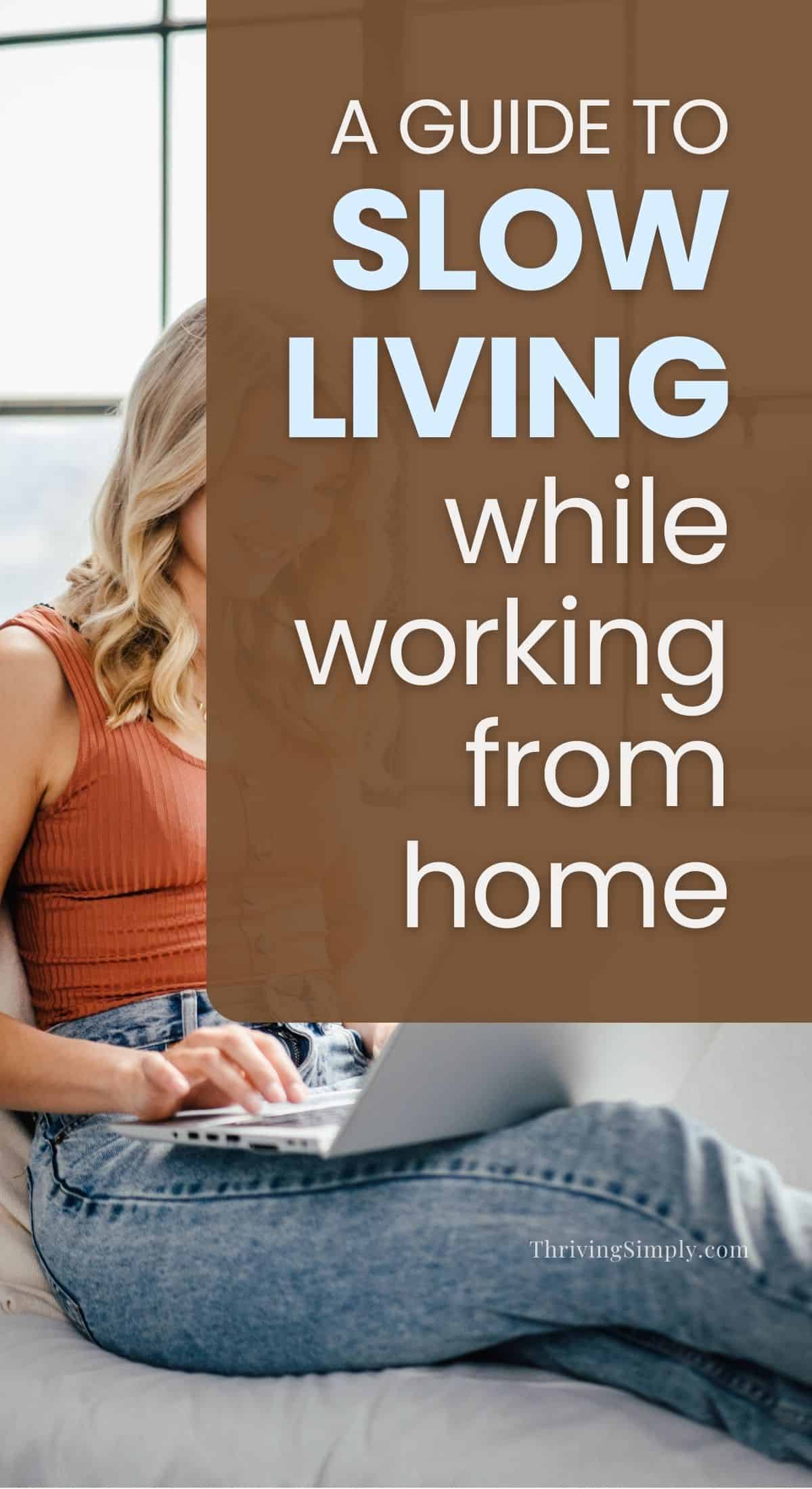
The Intentional Home Office: 7 Ways to Slow Down While Staying Productive
In the modern world, working from home was promised to be the ultimate freedom.
Yet, for many of us, it has turned into a blur where the kitchen table becomes a desk, and the “always-on” digital hum follows us into our evenings.
Slow living isn’t about doing less; it’s about doing things with more presence. By introducing intentional rituals into your workday, you can transform your home office from a place of stress into a sanctuary of focused, calm productivity.
Here are seven rituals to help you reclaim your pace.
1. The “Threshold” Morning Ritual
Without a commute, we often jump straight from the bed to the laptop. Create a “threshold” ritual to signal the start of your day. This could be a 10-minute walk around the block, hand-grinding your coffee beans, or simply lighting a candle at your desk.
- The Intent: To mentally “arrive” at work rather than sliding into it.
2. Single-Tasking as a Meditation
The frantic energy of multitasking is the enemy of slow living. Practice monotasking: pick one task and give it your full, quiet devotion. Close the extra tabs, put your phone in another room, and breathe into the work.
- The Intent: To honor the task at hand with your full attention.
3. The Sensory Reset
Our digital work is often “de-sensory.” To stay grounded, introduce tactile elements to your desk. Keep a smooth stone to hold during long calls, use a high-quality linen desk mat, or keep a small bottle of essential oil (like rosemary for focus or cedarwood for grounding) nearby.
- The Intent: To keep your mind connected to your physical body.
4. Scheduled “Staring Intervals”
In a slow-living home office, your eyes need rest. Every hour, practice the 20-20-20 rule: look at something 20 feet away for 20 seconds. Better yet, look out a window at a tree or the sky.
- The Intent: To remind yourself that the world is much larger than your screen.
5. The Midday “Unplugged” Meal
It is tempting to eat over your keyboard, but this is an act of productivity-theatre that leaves you drained. Step away. Set a real place at the table. Eat without a screen. Notice the textures and flavors of your food.
- The Intent: To nourish your body with the respect it deserves.
6. Curated Soundscapes
Noise is often a hidden source of “rushed” energy. Instead of the radio or high-tempo music, try “brown noise,” nature sounds, or minimalist lo-fi. Let the sound create a container for your focus rather than a distraction for your brain.
- The Intent: To protect your nervous system from overstimulation.
7. The “Closing the Gate” Ceremony
One of the hardest parts of working from home is knowing when to stop. At the end of your day, physically close your laptop, clear your desk of coffee mugs, and “sweep” your mental space by writing down three things you’ll tackle tomorrow.
- The Intent: To give yourself permission to transition fully back into “home” mode.
A Final Thought: Productivity is not a measure of your worth; it is simply a tool to help you create a life you love. By slowing down the way you work, you ensure that you have enough energy left over to actually live.
Frequently Asked Questions
Is slow living compatible with a busy or demanding job?
Yes. Slow living isn’t about working fewer hours or lowering standards. It’s about how you move through your workday — with more presence, fewer distractions, and clearer boundaries. Even small rituals can create a noticeable shift.
Do I need a dedicated home office to practice these rituals?
Not at all. Whether you work from a spare room, a corner of the living room, or the kitchen table, these rituals are about intention, not square footage. A candle, a sound cue, or a closing routine works anywhere.
What if I don’t have time for all seven rituals?
You don’t need to do them all. Choose one or two that feel supportive right now. Slow living is flexible — it adapts to your season, not the other way around.
Will slowing down make me less productive?
Most people find the opposite happens. Fewer distractions, clearer focus, and better transitions often lead to deeper work — without the constant feeling of being behind.
Final Thoughts
Working from home doesn’t have to mean living at work.
An intentional home office isn’t about perfection or rigid routines — it’s about creating small moments of pause that help you stay grounded while you do meaningful work. These rituals aren’t meant to add more to your plate; they’re meant to soften the edges of your day.
When you slow the way you work, you create space for clarity, creativity, and energy — not just for your job, but for the life waiting on the other side of the laptop. And that, quietly and steadily, is where real productivity begins.