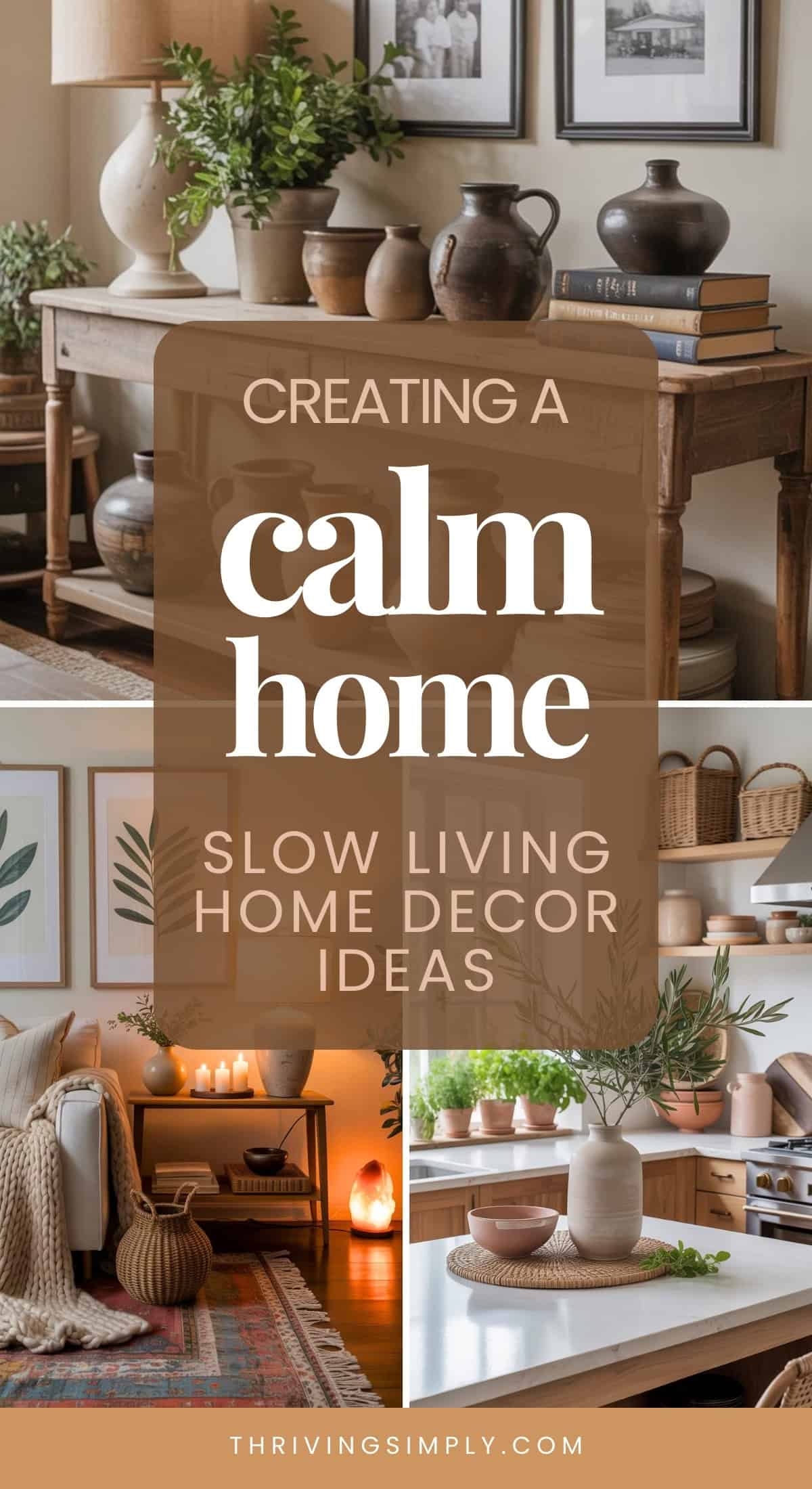
The Art of a Calm Home: Slow Living Décor Made Easy
There’s something deeply comforting about a home that feels calm the moment you walk through the door — a space that softens your shoulders, quiets your mind, and reminds you to breathe a little deeper.
Slow living décor isn’t about decorating perfectly or having a magazine-ready house. It’s about creating a home that feels intentional, grounded, warm, and deeply lived-in — in the best, most soothing way.
If you’ve been craving a home that feels softer and less chaotic, slow-living décor is a beautiful place to start. You don’t need a big budget, a renovation, or a trip to a fancy store. You just need small, thoughtful shifts that bring calm back into your space.
Let me show you how to create a home that supports your nervous system, makes space for rest, and reflects a life lived with intention — one cozy corner at a time.
What We’ll Cover:
- What slow-living home décor really means
- How to create a soft, grounding aesthetic using colors, textures, and natural materials
- Ways to design cozy rest corners and softer lighting rituals
- How to bring nature indoors
- Practical, gentle tips for reducing visual noise
- Picture-ready inspiration you can use for your home
Start with Soft, Earthy Color Palettes
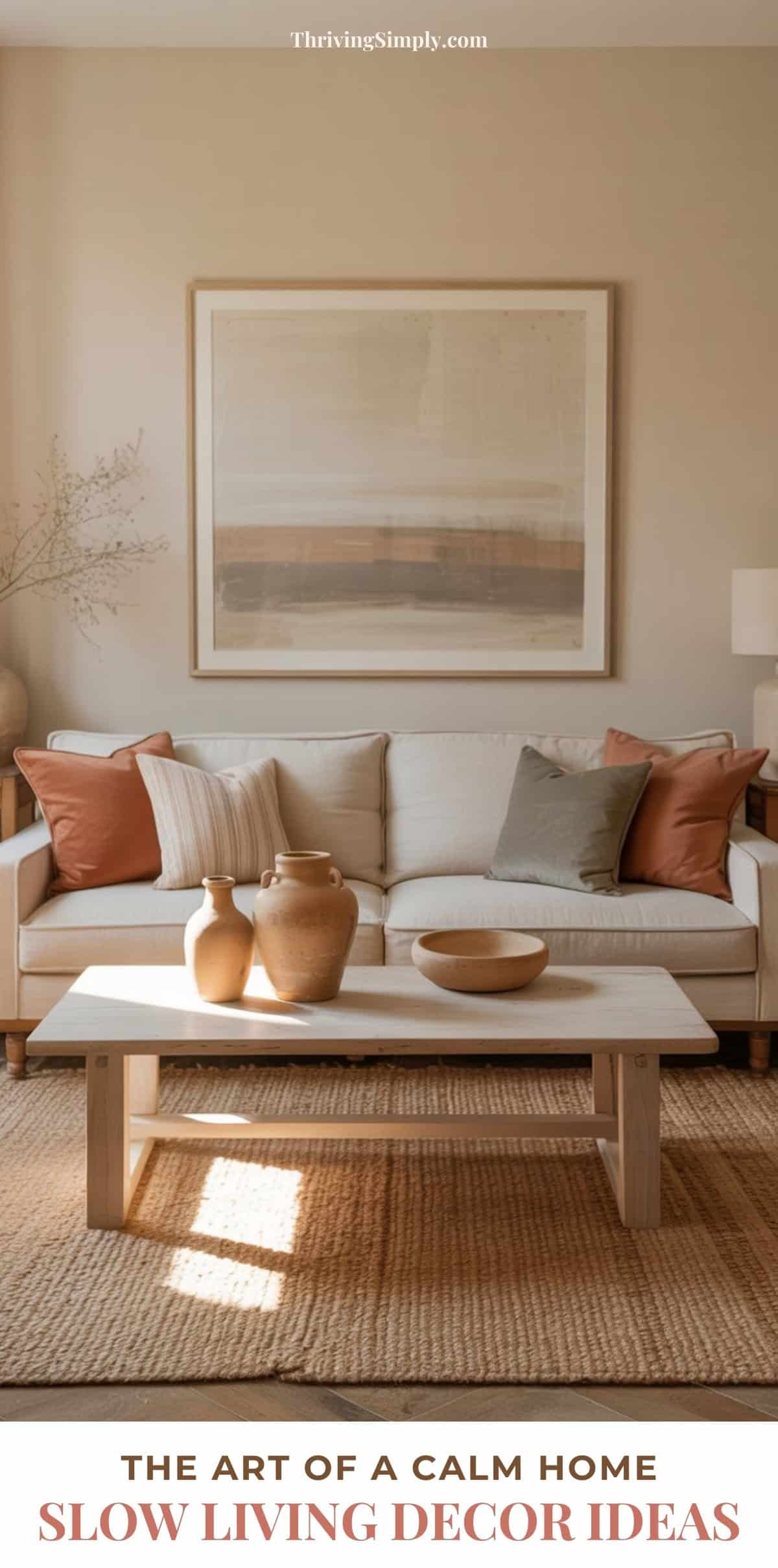
Choosing Colors That Feel Calm
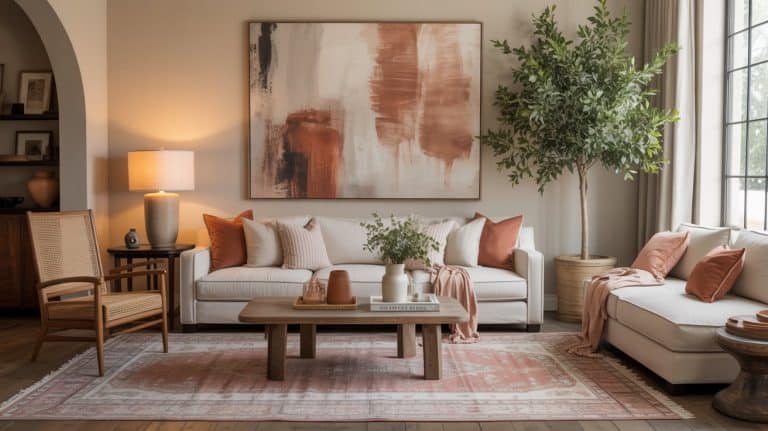
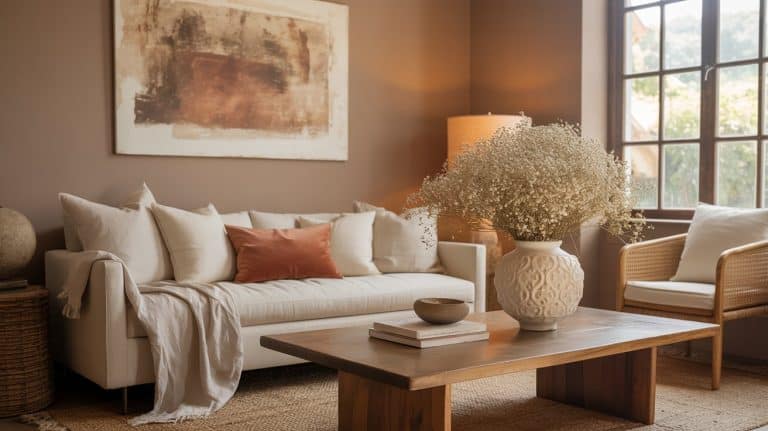
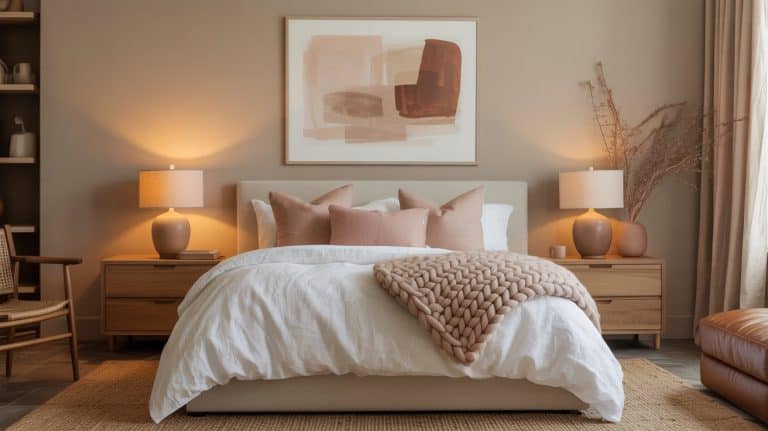
Slow-living décor begins with earthy tones that feel grounded and natural. Think soft whites, warm cream, oatmeal, terracotta, sage green, muted clay, warm taupe, and natural wood tones. These colors feel immediately soothing — like the home version of a deep exhale.
These tones don’t just look calming… they actually help your nervous system feel more settled.
Easy Ways to Add Color (No Painting Required)
- Throw blankets in natural fibers
- Linen or cotton pillow covers
- Terracotta planters
- Soft, textured area rugs
- Neutral candles
- Ceramic vases in sandy tones
Small touches go far.
And I’m not sure if it’s your cup of tea, but simple abstract art that isn’t too busy but offers a lot of texture and interest feels quite soothing in a space like this.
Embrace Natural Materials That Feel Warm and Organic
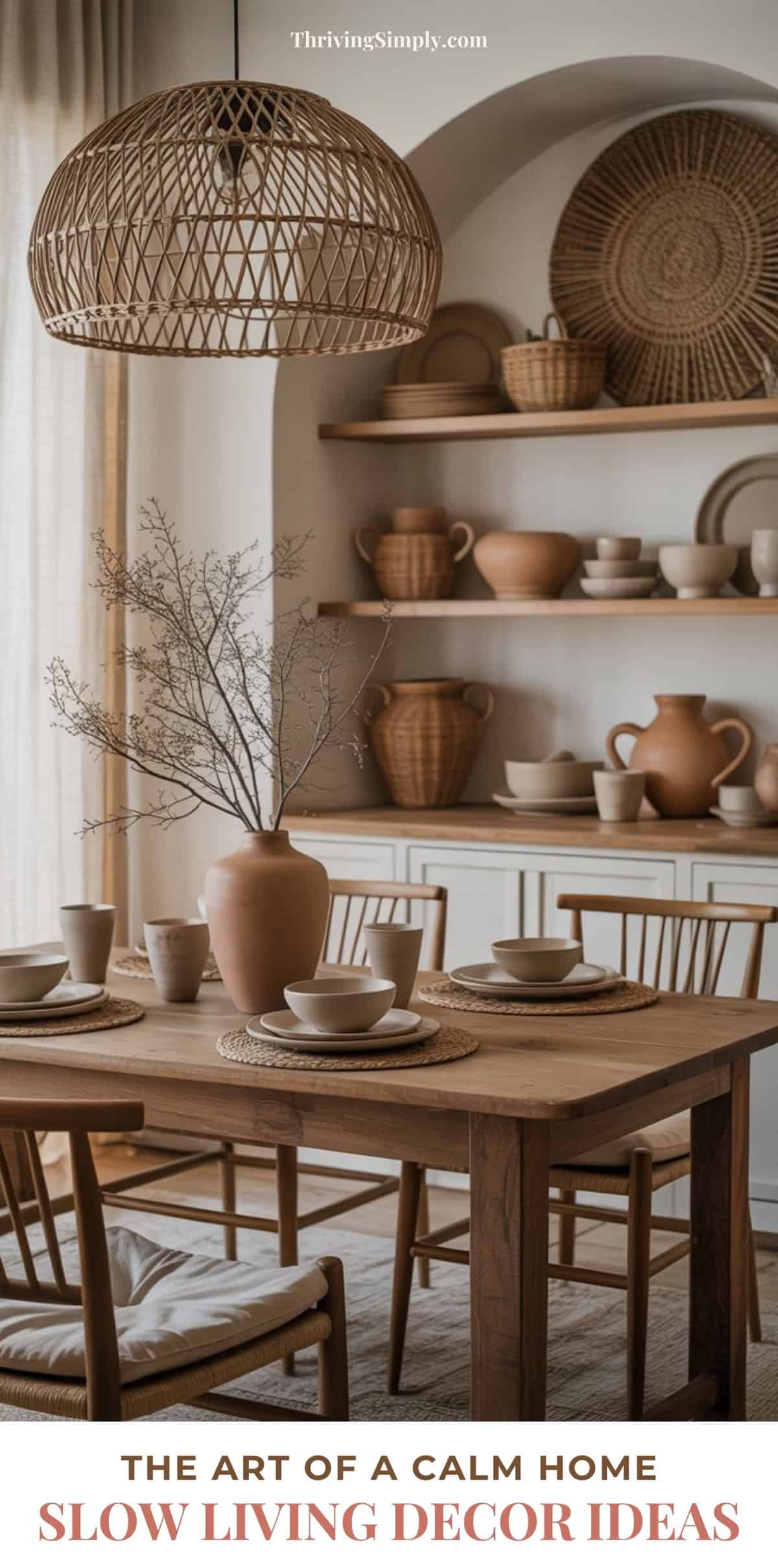
Why Nature-Inspired Textures Matter
Natural materials bring warmth and grounded energy into your home. They add texture, depth, and softness without cluttering your space.
Materials to Use
- Raw wood
- Linen
- Cotton
- Woven jute or seagrass
- Stone
- Rattan
- Handmade ceramics
The mix is what makes a room feel lived-in, intentional, and connected to the earth.
Create Cozy Corners for Rest & Ritual

Why Cozy Corners Matter
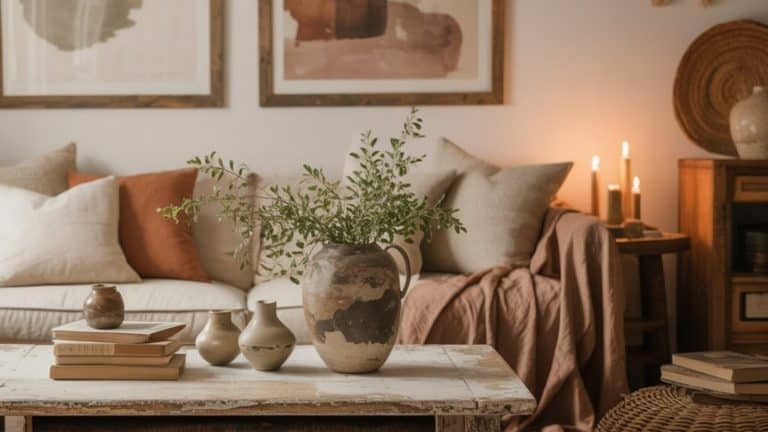
Slow-living homes always have a place to land — a spot where you pause, breathe, sip tea, read a few pages, or reconnect with yourself. These corners don’t require much space; just intention.
How to Create One
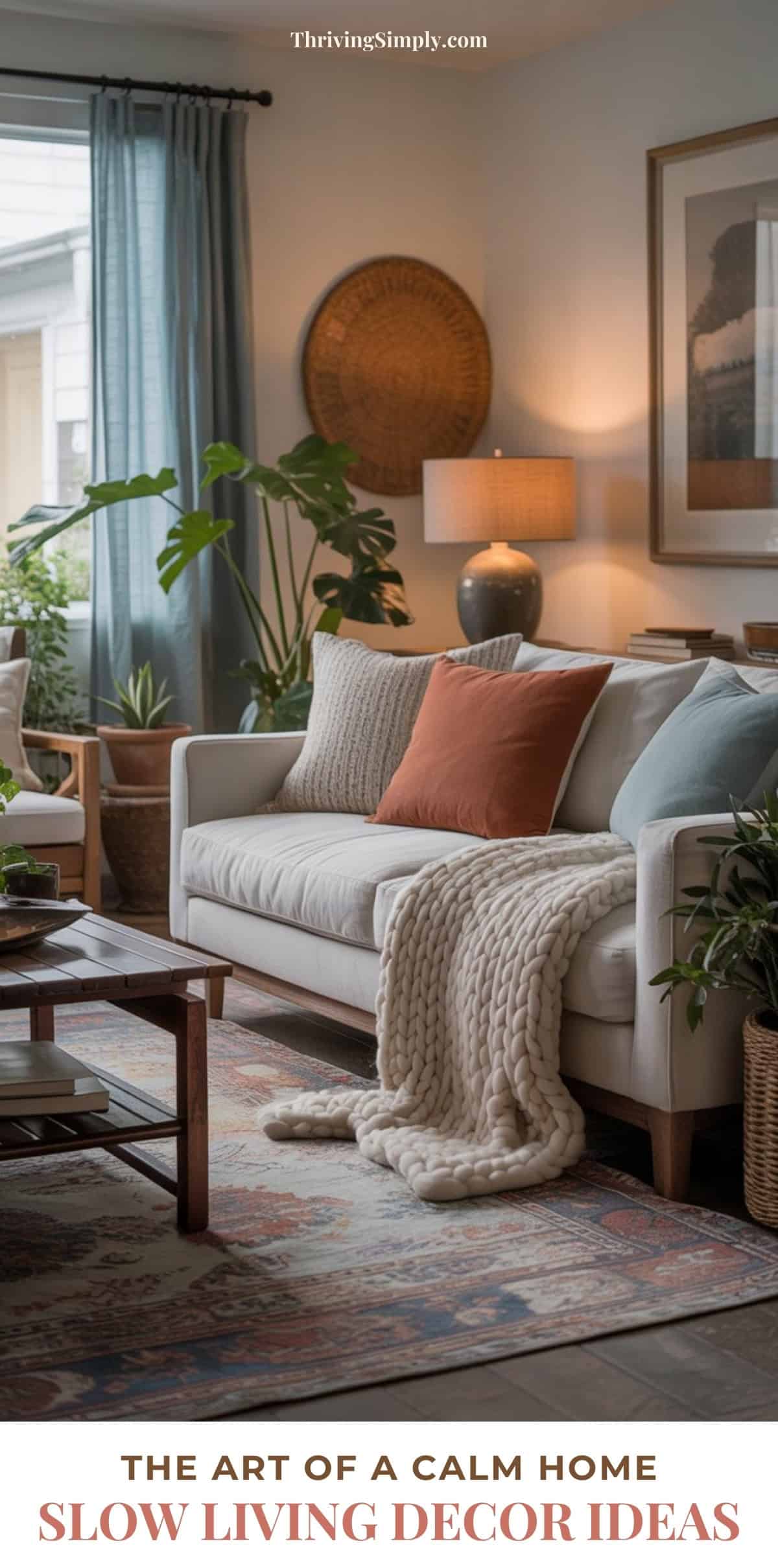
A chair, a pillow, a throw blanket, a lamp, a little table, a plant… and a moment of quiet.
Use Lighting That Softens the Room
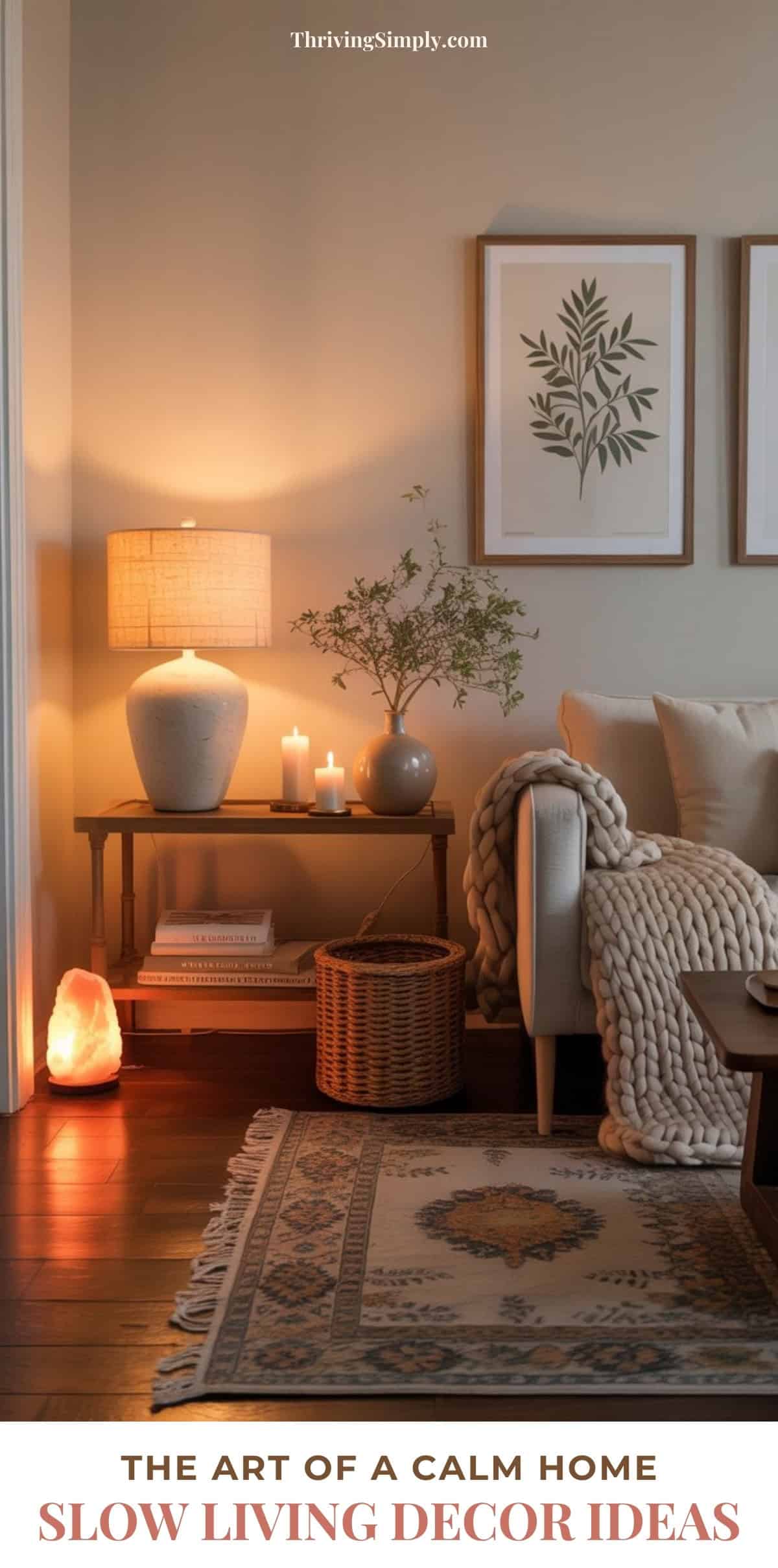
Lighting as Emotional Décor
Harsh overhead lighting can make even a beautiful home feel stressful. Soft lighting — lamps, sconces, warm bulbs, candles — turns your home into a haven.
Try an “Evening Light Ritual”
As the sun sets, dim lights and switch to warm, low lighting. It signals calm to your nervous system and transforms your home instantly.
Bring Nature into Your Home
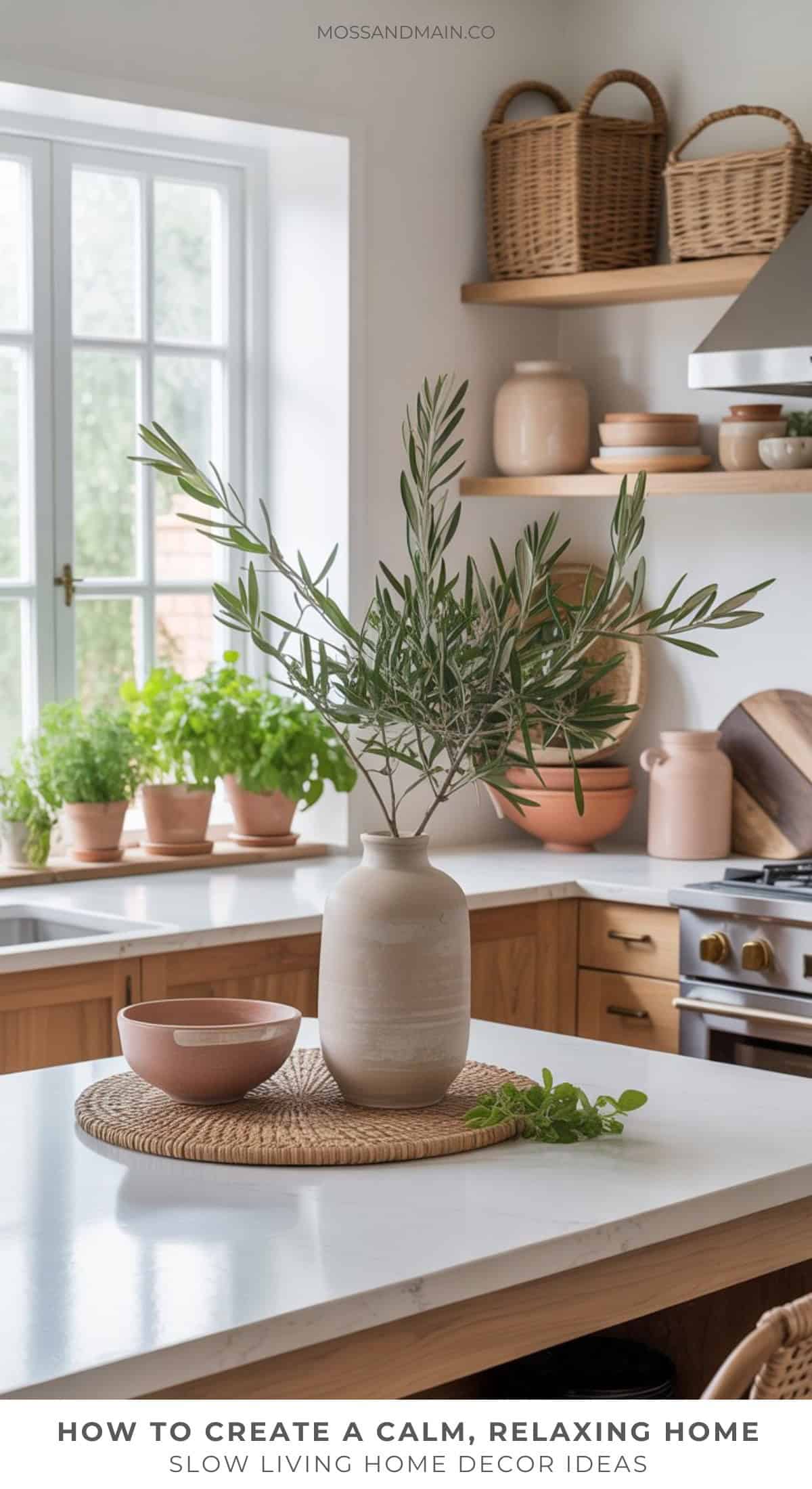
Let the Outdoors Shape the Mood of Your Space
There’s something almost magical that happens when you bring even the smallest bit of nature indoors. The moment you add a plant, a branch, a bowl of stones, or a handful of dried flowers, the space shifts — it becomes calmer, more grounded, and a little more alive. Nature has a way of softening the edges of a room, and it doesn’t require perfect styling or expensive greenery to make a difference.
Start with the Simple Things
You don’t need to turn your home into a greenhouse. One or two natural elements can completely transform a room. Think: a vase of olive branches, a sprig of eucalyptus by the bed, a textured wooden bowl on the coffee table, or a few smooth stones collected on a walk. Even a single houseplant can create a sense of calm that your nervous system instantly recognizes.
Nature Helps Your Home Breathe
Bringing natural elements indoors helps your home feel more connected, less artificial, and more rooted in the rhythms of the world outside. It balances the energy of the space, introducing organic shapes, living textures, and gentle movement — all of which help you slow down without even trying.
Your home doesn’t have to be filled with plants to feel natural. A little touch of the outdoors is enough to remind you that softness and calm are always within reach.
Studio McGee + West Elm inspired.
A bright airy kitchen with potted herbs on the windowsill, a vase of oversized olive branches on the island, woven baskets on open shelving, ceramic jars in earthy tones, light wood cabinetry, and natural morning light. Calm, organic, and welcoming.
Reduce Visual Noise (Gently, Not Perfectly)

Slow-Living ≠ Minimalism
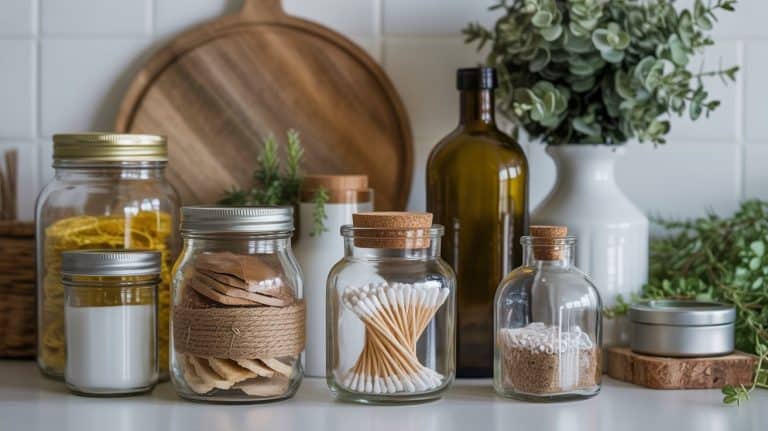
You don’t have to live with empty countertops or all-white everything. Slow-living décor simply prefers meaningful, calming items over visual clutter.
Try This Small Shift
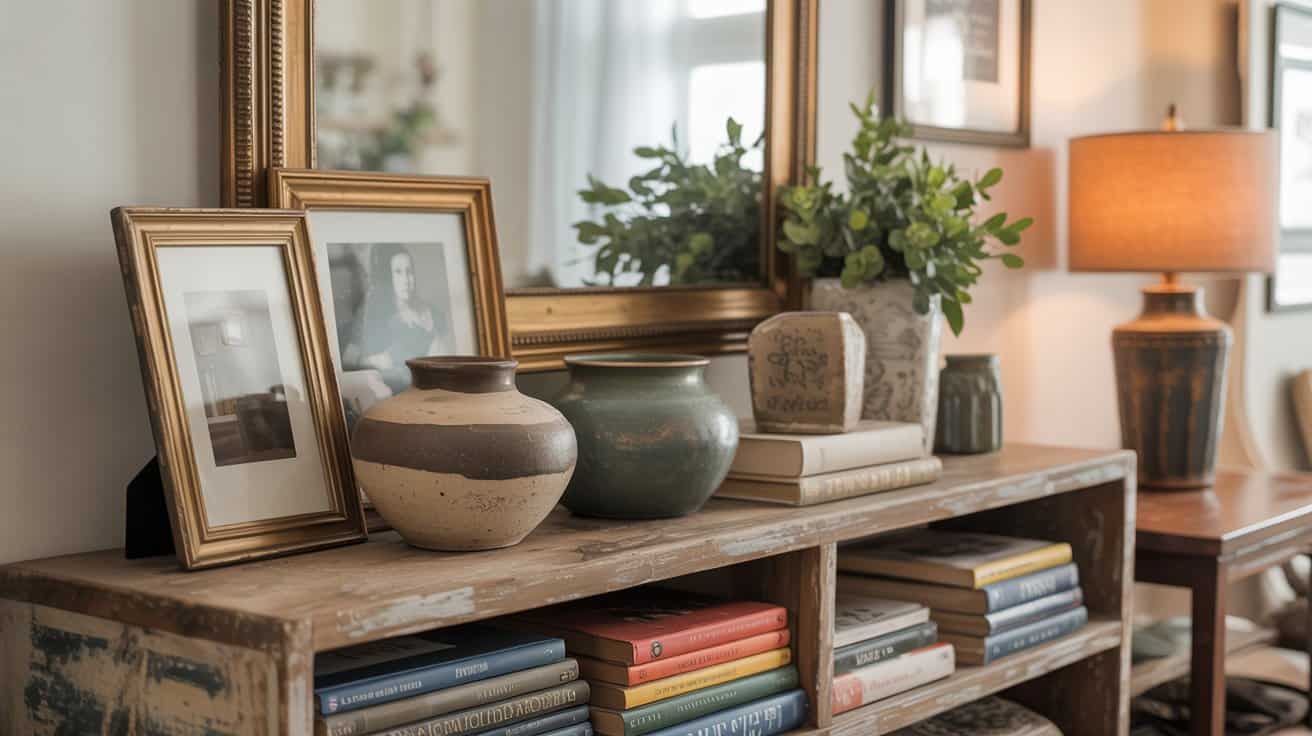
Choose one surface — your nightstand, your coffee table, your dresser — and soften it. Remove anything that feels loud or unnecessary. Add a plant, a candle, or something meaningful.
This alone makes your home feel more breathable.
If you need help with softening and decluttering spaces in your home, you may find our recent article helpful: The 15-Minute Decluttering Routine That Will Change Your Home.
Decorate with Meaning, Not Just Objects
Intention Changes Everything
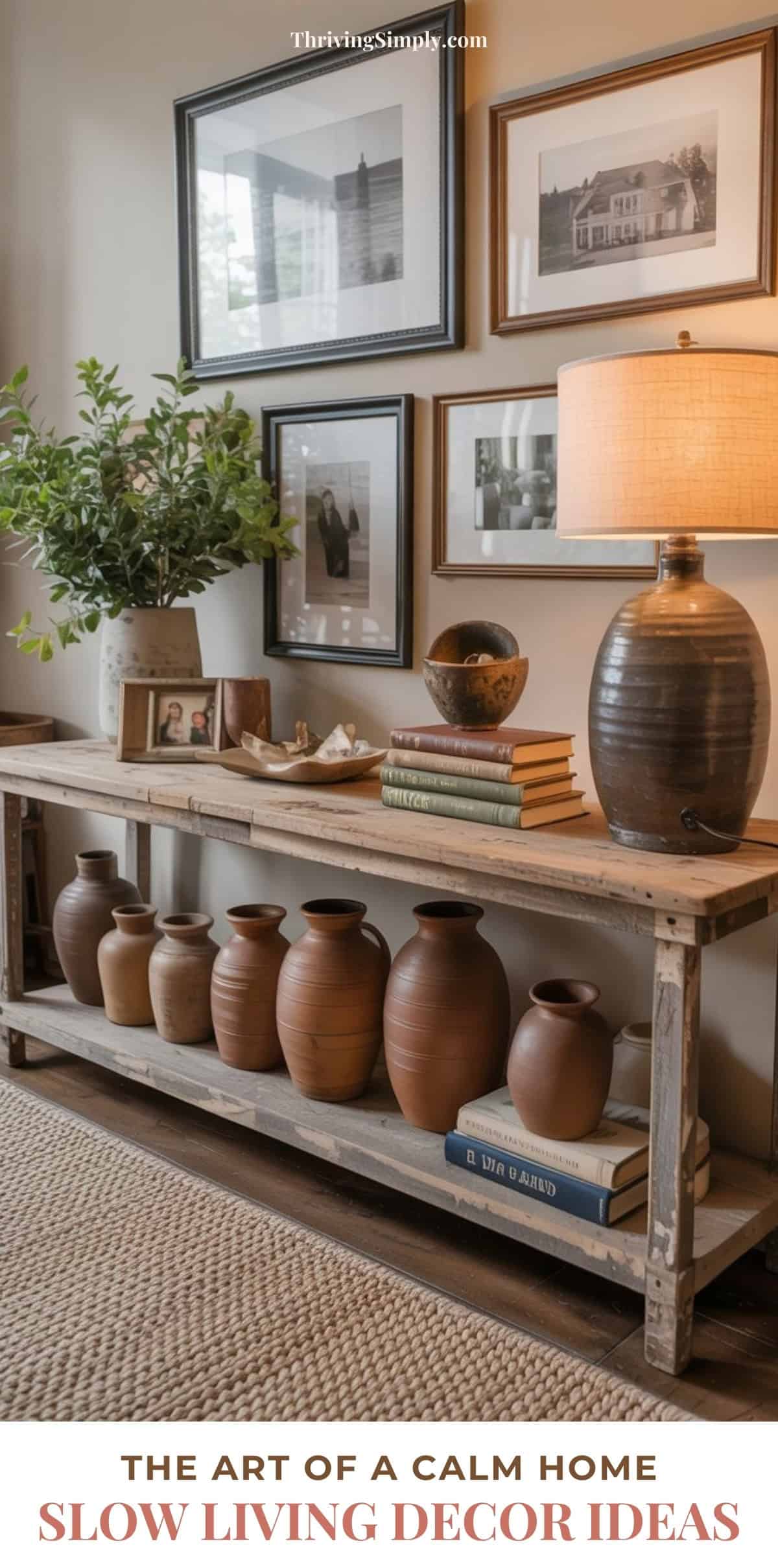
Slow-living décor is built around meaning — the handmade bowl from a local market, a thrifted vase, a vintage mirror, your grandmother’s quilt. You don’t need more things; you need the right things.
Ask Yourself
“Does this feel calming?”
“Do I love this?”
“Does this bring warmth into my space?”
If yes, it belongs.
Build a Rhythm, Not a Perfect Home
The Heart of Slow-Living
Your home doesn’t need to be “done.” It can evolve slowly, intentionally, gently — just like you.
Small habits make the biggest difference.
A daily pillow fluff.
A moment of soft lighting.
A basket for cozy throws.
A plant watered with intention.
Rituals make your home feel loved.
Slow Living Decor FAQs
How do I start decorating in a slow-living style if my home feels chaotic?
Start with one small area — a nightstand, a coffee table, a corner. Soften it. Remove clutter. Add warmth. One calm space creates momentum.
Do I need to buy all new things?
Not at all. Slow-living decor is more about intention than items. Reuse, repurpose, thrift, or rotate what you already own.
What colors work best for slow-living interiors?
Earthy neutrals: warm white, cream, oat, sage, clay, sand, blush, terracotta, natural wood.
Can slow-living décor work in small spaces?
Absolutely. It thrives in small spaces. The goal is calm, not size — cozy corners work beautifully in apartments.
Is slow-living décor the same as minimalism?
No. Slow-living isn’t about owning less — it’s about choosing what feels meaningful, warm, and grounding.
Final Thoughts
Creating a slow-living home isn’t about achieving perfection — it’s about building a space that feels soft, intentional, and supportive. The kind of home where you breathe differently the moment you walk in.
Start small. Choose one color, one corner, one ritual.
Your home — and your nervous system — will thank you.