DIY Laundry Detergent: The Simple Recipe That Actually Works
Store-bought laundry detergent has a way of quietly eating up your budget — and filling your home with fragrances and ingredients you can’t pronounce. If you’ve ever looked at that giant plastic jug and wondered, “There has to be a better way,” you’re absolutely right.
Making your own laundry detergent at home is:
- Surprisingly easy
- Budget-friendly
- Better for sensitive skin (when you choose the right ingredients)
- Great for cutting down on plastic waste
Below, you’ll find two detailed DIY detergent recipes:
- A classic powdered detergent
- A borax-free liquid option that’s great for more sensitive households
We’ll walk through ingredients, step-by-step instructions, how to use each one, and what you can expect to save.
Before You Start: A Few Quick Notes
- Test first: Always test new detergent on a small load, especially for baby clothes or sensitive skin.
- HE-safe: Both recipes use low-suds ingredients, which are generally considered safe for HE (high-efficiency) machines when used sparingly.
- Borax considerations: Some people love borax, some prefer to avoid it. I’ll show you one recipe with it and one without so you can choose what feels right for your home.
- Label your containers: Especially if you’re storing detergents in pretty jars. Keep away from kids and pets.
Recipe 1: Classic Powdered DIY Laundry Detergent
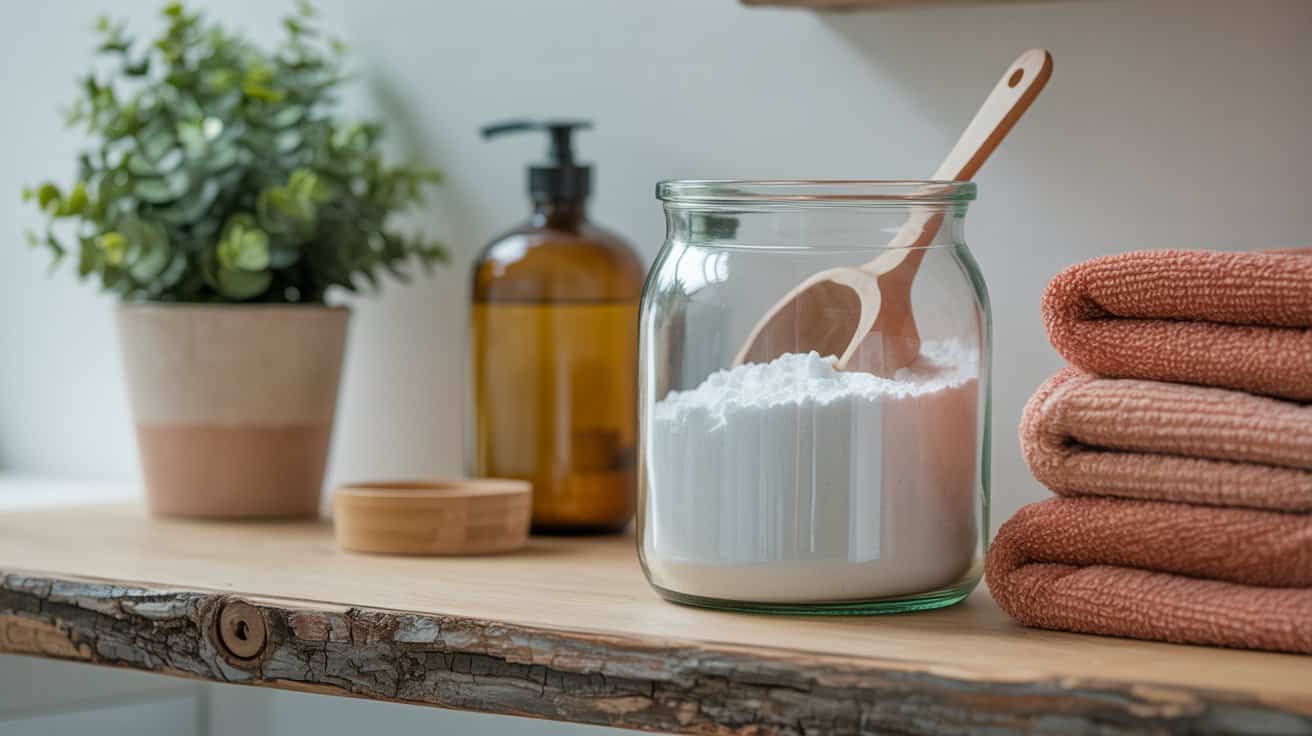
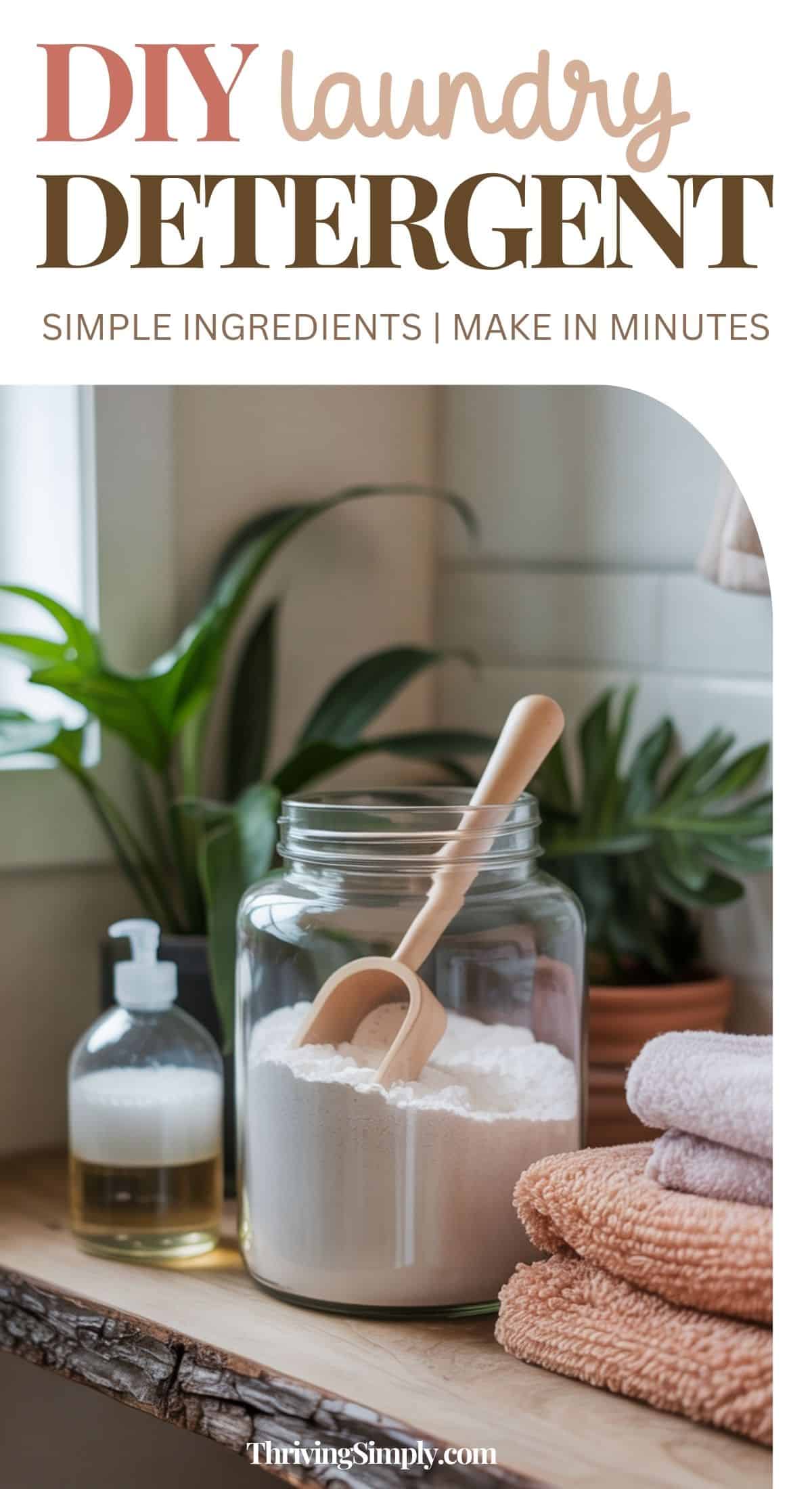
This is the “big jar of powder on the shelf” recipe — simple, effective, and efficient for most everyday laundry.
🧴 Ingredients (for about 60–70 loads)
- 2 cups washing soda (Arm & Hammer Super Washing Soda)
- 2 cups borax (20 Mule Team Borax)
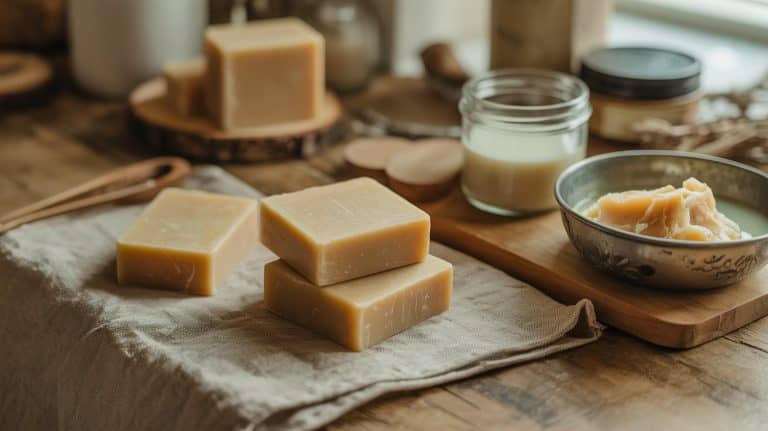
- 1 bar natural soap, finely grated
- Options: unscented castile bar, natural coconut oil soap, or another low-fragrance bar
Optional: 10–20 drops of essential oil (lavender, lemon, eucalyptus)
Only if you like scented laundry — totally optional.
🛠 Tools You’ll Need
- Cheese grater or food processor (for the soap)
- Large mixing bowl or bucket
- Measuring cups
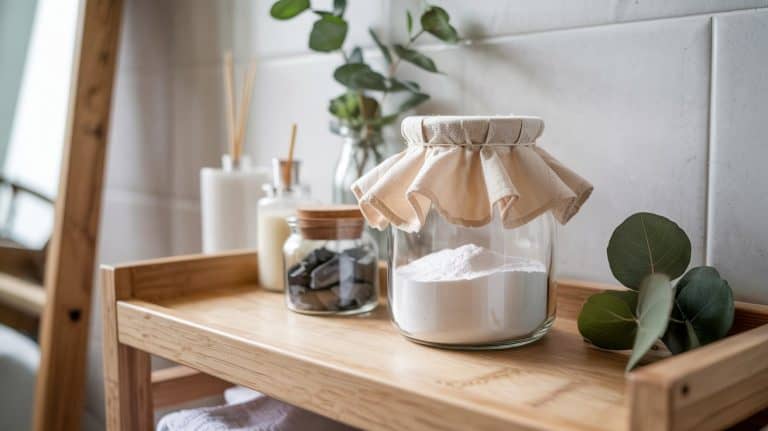
- Airtight jar or container with lid
- Spoon or small scoop for measuring
Step-by-Step Instructions
1. Grate the Soap
Use a box grater to grate the bar soap into fine shreds. The smaller the pieces, the better they’ll blend and dissolve.
Pro Tip:
If you have a food processor, you can pulse the grated soap with a bit of the washing soda. It helps create a fine, even texture.
2. Combine the Dry Ingredients
In a large bowl, add:
- 2 cups washing soda
- 2 cups borax
- The grated soap
Mix thoroughly with a spoon until everything is well combined and evenly distributed.
3. Add Essential Oils (Optional)
If using essential oils, drop them in a few drops at a time while stirring to distribute evenly. Don’t overdo it — start with 10–15 drops and increase if needed.
4. Store in an Airtight Container
Transfer your detergent blend into a glass jar, canister, or container with a lid. Label it clearly: “Laundry Detergent – Not for Eating” (you’d be surprised).
How Much to Use Per Load
- HE machines: 1 tablespoon per load
- Standard machines: 1–2 tablespoons per load
Start with less and increase if needed. These recipes are concentrated — you don’t need a big scoop.
How Many Loads Does This Make?
This batch (around 6 cups of powder) typically yields:
- About 60–70 loads, depending on how much you use per load
Approximate Cost Breakdown & Savings
Using current average prices: Walmart.com+2The Home Depot+2
- Washing soda (55 oz, ~$5.38) – you’re using about 16 oz → roughly $1.56
- Borax (65 oz, ~$6.30) – you’re using about 16 oz → roughly $1.55
- Natural soap bar – price can vary, but let’s estimate $1.50–$4.00
So your total batch cost is roughly:
- $4.60–$7.10 per batch
- For ~64 loads → about $0.07–$0.11 per load
Compare that to many store-bought detergents, which often cost around $0.18–$0.25 per load, and you’re cutting the cost nearly in half.
Big picture: Over time, homemade detergent can save you hundreds of dollars, especially if you have a busy household.
Troubleshooting This Powder Recipe
- Clothes feel a bit stiff?
Add ½ cup white vinegar to the rinse cycle as a natural fabric softener. - Powder isn’t dissolving well in cold water?
Pre-dissolve your tablespoon of detergent in a cup of warm water, then pour into the machine. - Super muddy or heavily soiled clothes?
Add a little extra washing soda or pre-soak the clothes.
Recipe 2: Borax-Free Liquid DIY Laundry Detergent
If your home leans more sensitive, this borax-free, liquid option is a great alternative. It’s lower-suds, simple, and especially good if you prefer fragrance-free or lightly scented laundry.
🧴 Ingredients (Makes About 1 Gallon)
- ½ cup liquid castile soap (like Dr. Bronner’s unscented) Walmart.com+1
- ½ cup washing soda
- ½ cup baking soda
- 4 cups very hot water (for dissolving powders)
- Additional 10–12 cups of warm water to top off the mixture (to get to ~1 gallon)
Optional: 15–20 drops essential oil (lavender, lemon, or tea tree)
🛠 Tools You’ll Need
- Large pot or heat-safe container
- Whisk or long spoon
- 1-gallon jug or container (glass or heavy plastic)
- Funnel (to make pouring easier)
Step-by-Step Instructions
1. Dissolve the Washing Soda and Baking Soda
In a large heat-safe container or pot, add:
- 4 cups very hot water
- ½ cup washing soda
- ½ cup baking soda
Whisk until the powders are fully dissolved and the water looks cloudy but smooth.
2. Add the Liquid Castile Soap
Slowly pour in ½ cup of liquid castile soap while stirring gently. Don’t whip it — you’re not trying to create bubbles, just mix.
3. Add Essential Oils (Optional)
If you enjoy a light scent, add 15–20 drops of your favorite essential oil and stir to combine.
4. Dilute with Warm Water
Use a funnel to pour the mixture into your 1-gallon container, then top off with about 10–12 more cups of warm water, leaving a little room at the top so you can shake it.
Cap the container and gently swirl or shake to mix.
5. Let It Sit
As it cools, the detergent may thicken slightly or separate a bit — this is normal. Give it a gentle shake before each use.
How Much to Use Per Load
- HE machines: ¼ cup per load
- Standard machines: ⅓–½ cup per load
Because this is more diluted than the powder, you’ll use a bit more per load, but it’s still very affordable.
Approximate Cost Breakdown
Using average prices: Walmart.com
- Castile soap (32 oz ~ $16–$17; ½ cup is 4 oz) → about $2.00–$2.25
- Washing soda → about $0.50 for ½ cup
- Baking soda → often around $0.25–$0.40 for ½ cup from a larger box
Total for ~1 gallon:
- Around $2.75–$3.25 per gallon
Depending on how much you use per load, that’s roughly:
- $0.08–$0.12 per load on average
Again, still generally cheaper than many brand-name detergents — and with far simpler ingredients.
Tips for the Liquid Recipe
- Separation is normal: Just give the bottle a shake before pouring.
- Sensitive skin: Choose unscented castile soap and skip the essential oils.
- HE machines: Start with the lower end of the measurement (¼ cup) and see how your clothes respond.
Is DIY Laundry Detergent Really Worth It?
Here’s what you gain:
- Fewer mystery ingredients
You know exactly what’s touching your clothes and skin. - Less plastic
You’re not constantly buying big detergent jugs. - Real cost savings
Over time, homemade detergent often cuts your per-load cost by 30–60%, especially if you buy ingredients in bulk. - A calmer, more intentional home
There’s something really satisfying about using products you made yourself.
Quick FAQs
Is DIY DETERGENT safe for HE machines?
Yes — both recipes are low-suds and used in small amounts. Start with less and increase only if needed.
Can I use this for baby clothes?
Many people do, especially with the borax-free liquid version and unscented ingredients. Always test first and follow your own comfort level.
What if my clothes don’t smell like anything?
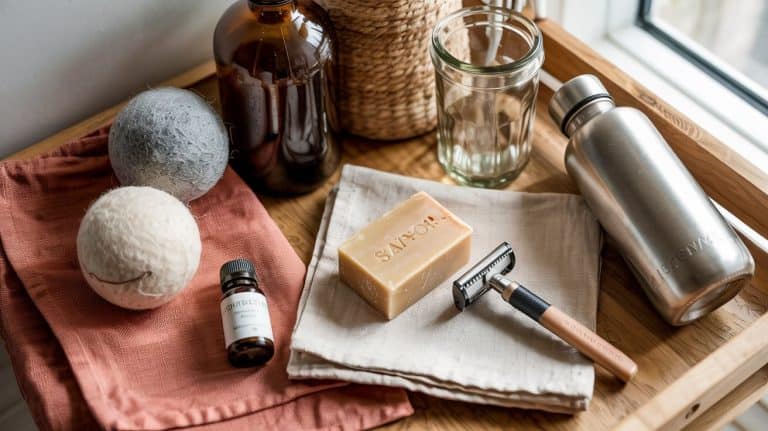
That’s actually a good sign — it means they’re clean without heavy fragrance. If you miss a light scent, add a few drops of essential oil to your detergent or use wool dryer balls with a drop of oil.
Will DIY laundry detergent work in cold water?
Yes — but with a small adjustment. Powdered detergents, especially ones with grated soap, dissolve best in warm water. If you prefer cold-water washing, pre-dissolve the detergent in a cup of warm water before adding it to the machine. The liquid detergent version works well in all temperatures without extra steps.
Pro Tip: Using warm water for the first 2–3 minutes of the cycle (then switching to cold) can also help powders dissolve beautifully without raising your energy bill.
Can DIY detergent be used for towels, linens, or athletic wear?
Absolutely — but you may want to tweak the recipe depending on the item.
- Towels & linens: DIY detergents work great, but add ½ cup of white vinegar to the rinse cycle to keep them soft and fresh. Avoid fabric softener — it coats fibers and reduces absorbency.
- Athletic wear / leggings / stretchy fabrics: Use the liquid castile version since it rinses cleaner. Powder soaps can sometimes cling to synthetic fibers.
Pro Tip: For musty towels or gym clothes, do a “stripping wash” every few months with baking soda + vinegar to remove buildup from old detergents.